Alternative Communication

What is AAC?

AAC stands for Augmentative and Alternative Communication. It includes all the ways a person can communicate without using spoken words. This can range from simple strategies like gestures and picture boards to high-tech tools such as communication apps and speech-generating devices.

AAC helps people express themselves, connect with others, and participate in everyday life, whether they are developing speech, have lost the ability to speak, or find speech challenging to use consistently.

AAC is not “giving up on talking.” In fact, research shows that using AAC can support and encourage verbal communication by reducing frustration and providing a clear way to express thoughts, feelings, and needs.

Who Can Benefit from AAC?

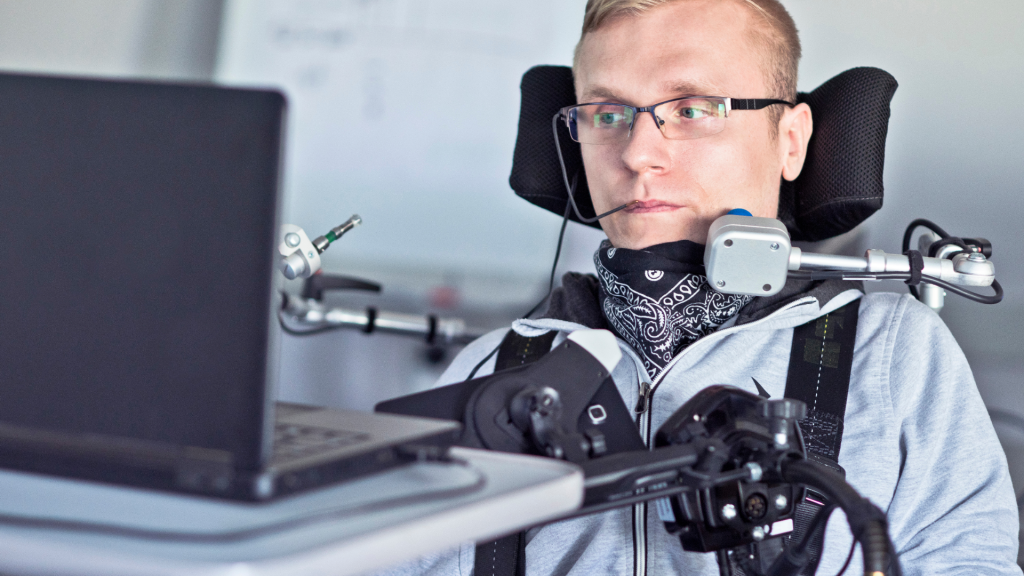
AAC can support people of all ages who find it difficult to use speech as their main form of communication. This includes individuals with:

  • Autism
  • Developmental language disorder
  • Cerebral palsy
  • Down syndrome
  • Apraxia of speech
  • Stroke, brain injury, or progressive neurological conditions (e.g., MND, Parkinson’s, dementia)

AAC can be a temporary support (while speech develops or recovers) or a lifelong communication method.

How a MyHealth Speech Pathologist Can Help

A speech pathologist works closely with individuals, families, and teams to find the right AAC system and make communication meaningful in daily life.

This may include:

  • Assessment: Identifying strengths, needs, and communication goals.
  • Trialing AAC systems: Trying out low- and high-tech options to find the best fit.
  • Customising vocabulary: Selecting words, phrases, and symbols that reflect what’s most important to the person.
  • Training and support: Teaching the individual, family, and support team how to use the AAC system naturally in everyday routines.
  • Ongoing review: Adjusting and updating AAC tools as communication skills and needs change.

Why AAC Matters

AAC gives people a voice. It enables them to:

  • Express preferences, feelings, and opinions.
  • Build relationships and participate in conversations.
  • Engage more fully in school, work, and social life.
  • Develop literacy and language skills.
  • Maintain autonomy and dignity in communication.

Frequently Asked Questions (FAQ)

No. Research consistently shows that AAC supports speech development. Having a reliable way to communicate reduces frustration and helps language grow.

Not always! AAC can be as simple as a keyring of symbols, a choice board, or gestures. The best system is the one that works best for the individual and their environment.

Absolutely. Adults with acquired communication difficulties (like stroke, brain injury, or progressive conditions) can benefit greatly from AAC to maintain independence and connection.

AAC success often depends on finding the right fit and providing consistent modelling and support. A speech pathologist can reassess and explore alternative systems or approaches.

Communicate Your Way