Social Communication

What is Social Communication?

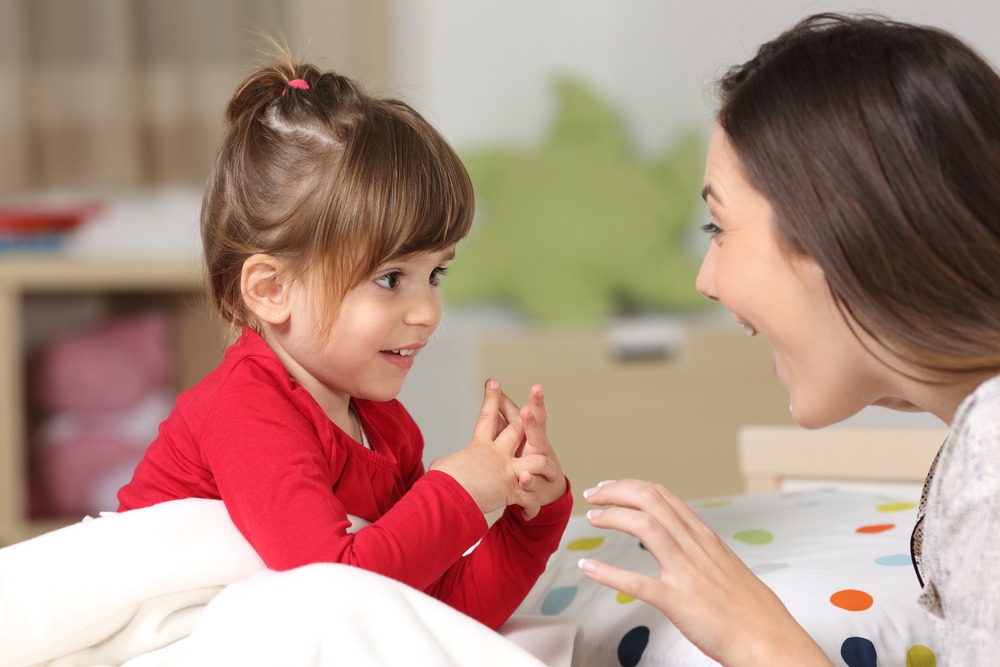
Social communication is how we use language to connect with others. This may be through talking, listening, body language, and understanding social cues. It’s what allows us to build relationships, share ideas, and navigate social situations confidently.

Social communication is more than the words we say, it’s how we use and understand language in different contexts. It includes skills such as:

  • Starting, maintaining, and ending conversations appropriately
  • Taking turns when speaking and listening
  • Using and interpreting body language, facial expressions, and tone of voice
  • Understanding social cues, humour, sarcasm, and figurative language
  • Adjusting communication style for different situations (e.g., talking to a friend vs a teacher or colleague)
  • Understanding and expressing emotions
  • Recognising others’ perspectives and intentions

Difficulties in these areas can make social interactions feel confusing, frustrating, or tiring. With support, people can learn strategies to communicate more comfortably and successfully.
How a MyHealth Speech Pathologist Can Help

Speech pathologists use evidence-based, individualised approaches to build social communication skills across all ages.

Support may include:

  • Developing conversation and listening skills
  • Building awareness of nonverbal communication (e.g., gestures, facial expressions, tone)
  • Understanding social rules and boundaries
  • Practising flexible thinking and perspective-taking
  • Supporting emotional regulation and self-expression
  • Using role-play, video modelling, or real-life scenarios to practise skills
  • Providing workplace, relationship, or community communication strategies for adults
  • Collaborating with families, educators, or employers to create supportive communication environments

Why Social Communication Skills Matter

Social communication skills are vital for connection, confidence, and wellbeing — at every stage of life.

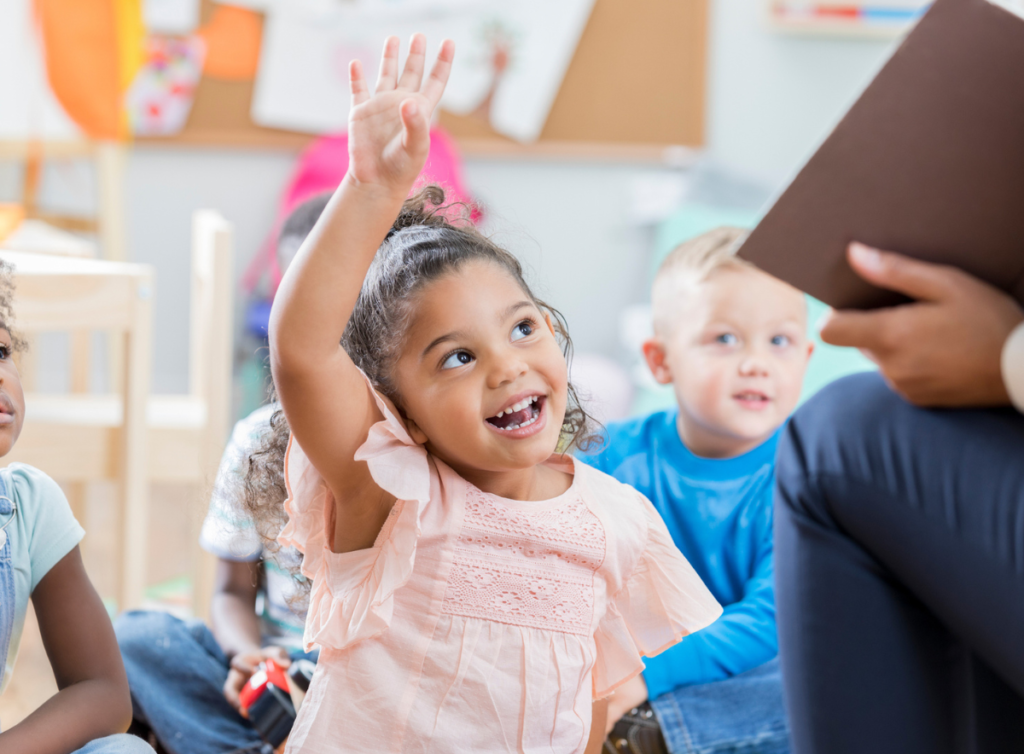
For children, these skills support learning, play, and friendships. They help children understand others’ feelings, join group activities, and express themselves clearly.

For teenagers and adults, effective social communication is key to building and maintaining relationships, working collaboratively, managing conflict, and engaging in meaningful social and professional interactions.

Some people experience lifelong social communication challenges — for example, those with autism, ADHD, social anxiety, or following brain injury — and speech pathology can help develop practical, real-world strategies to make communication feel easier and more natural.

Building these skills can lead to greater confidence, independence, and stronger relationships in all areas of life.

Frequently Asked Questions (FAQ)

Anyone who finds it hard to connect, read social cues, or manage conversations can benefit. This includes children with developmental delays, autistic individuals, people with ADHD or social anxiety, and adults recovering from brain injury or adjusting to new communication needs.

Therapy may include conversation practice, role-play, social stories, or video feedback to build awareness and confidence. For adults, it may involve exploring workplace communication, assertiveness, or managing social fatigue.

Not at all! Communication skills can grow and change at any age. Adults often find therapy empowering and practical, helping them navigate social and professional situations more comfortably.

Encourage open communication, model listening and turn-taking, and celebrate small successes. Your speech pathologist can share practical strategies to support positive interactions in everyday life.

Communicate Your Way